WordOnThisWordOnThisSearch
Submit

Alternatives to Claude Fable 5.2

Explore tools in the same categories. Find what fits your workflow.

AI codingGemini 4 CarbonMultimodal Google model for complex software engineering and mathematical reasoning.AI codingGPT-6 LunaDelivers cost-efficient structured outputs for high-volume routing and code tasks.AI codingGPT-6.1 TerraApplies visual reasoning and computer use to screenshots, drawings, and UI tasks.

Claude Fable 5.2 alternatives, explored

11 alternatives sharing at least one category. Listed by publication date, newest first.

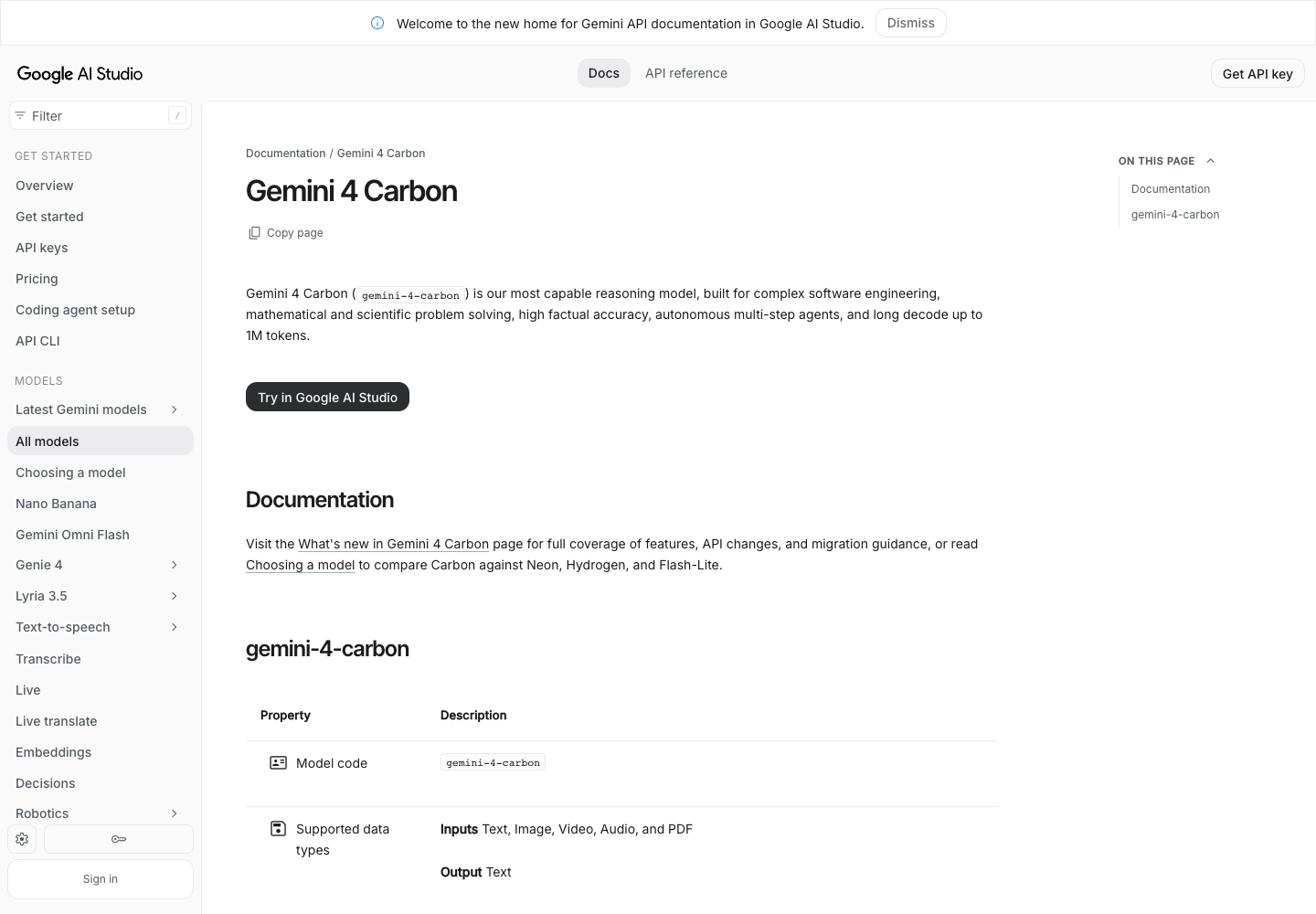
Carbon is a Google model built for complex software engineering and mathematical reasoning. It accepts text, images, audio, video, and PDF inputs within a shared 1,048,576-token context window, supports function calling, and generates text output up to a 65,536-token default synchronous limit.
  • Multimodal Input and Text Output
  • Function Calling Support
Gemini 4 Carbon official website preview

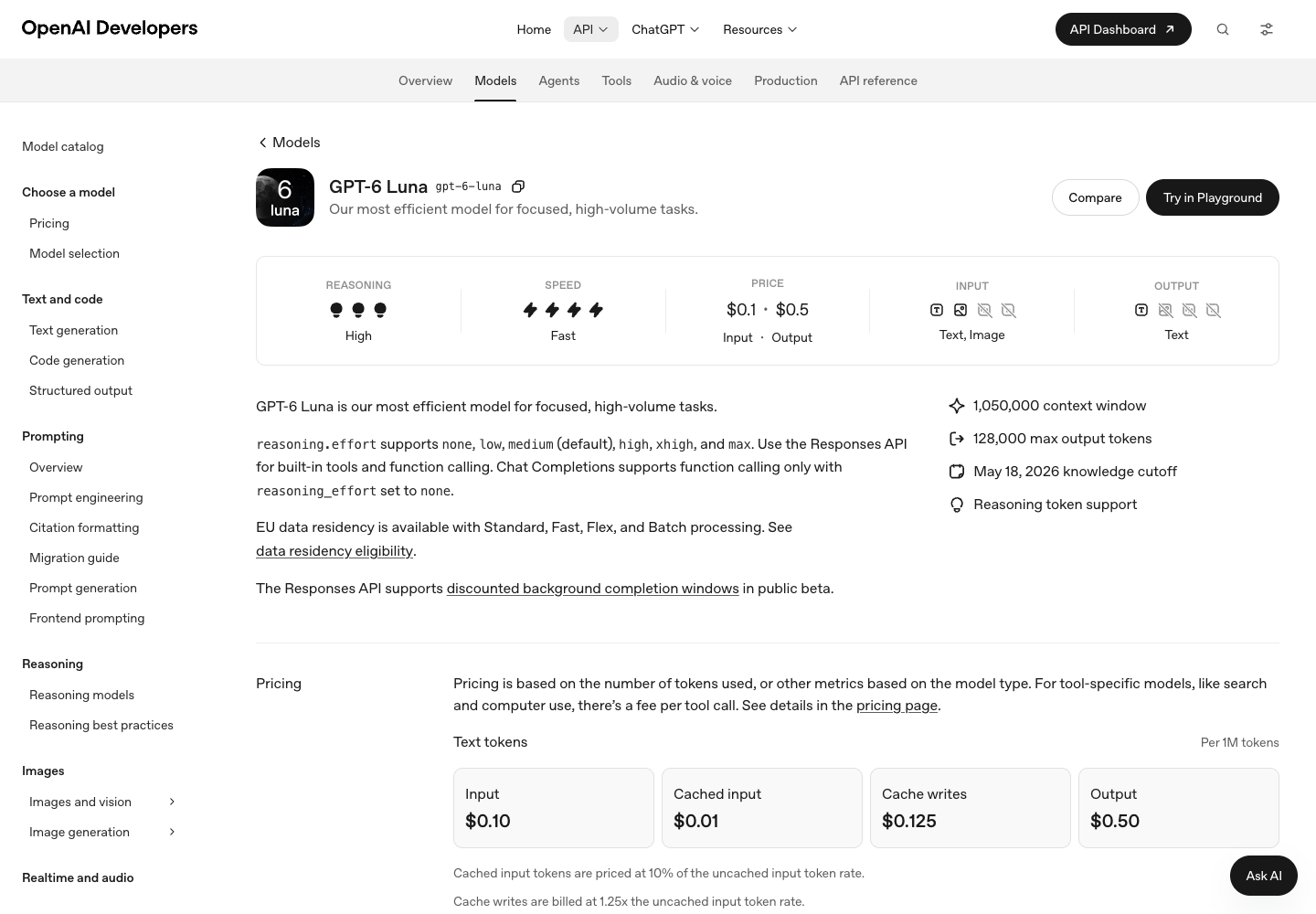
OpenAI built GPT-6 Luna as a cost-efficient model for focused, high-volume workloads and also benchmarks it for software engineering. Billed per token, it takes text and images across a 1,050,000-token context window (up to 922,000 input and 128,000 output tokens) and returns text or programmable structured outputs. It works with Responses API tools such as web search, file search, and computer use, as well as the Batch API. Examples include classification, data extraction, routing, bounded repository tasks, and routine code transformations.

  • Programmable structured outputs
  • 1,050,000-token context and Batch API
  • Responses API tool support
GPT-6 Luna official website preview

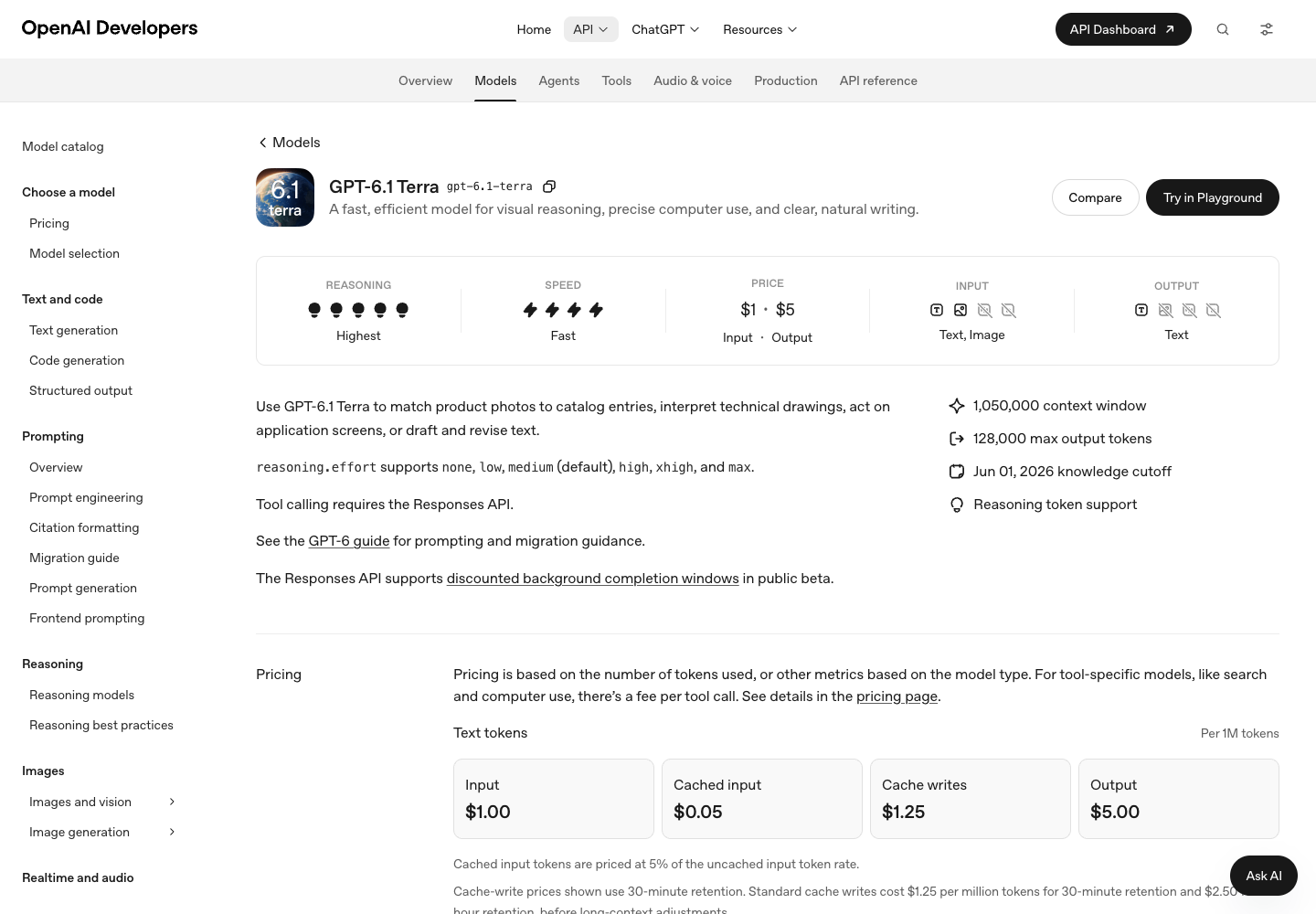
OpenAI focuses GPT-6.1 Terra on visual reasoning and computer use alongside general software-engineering capabilities. Priced per token, it accepts text and images within a 1,050,000-token context window (up to 922,000 input and 128,000 output tokens) and produces text or structured outputs. It integrates with Responses API tools including web search, file search, and computer use. Teams can use it to interpret screenshots and technical drawings, match product images, draft text, and try screenshot-led QA or UI debugging.

  • Visual reasoning and image matching
  • Computer use and search tools
  • 1,050,000-token multimodal context
GPT-6.1 Terra official website preview

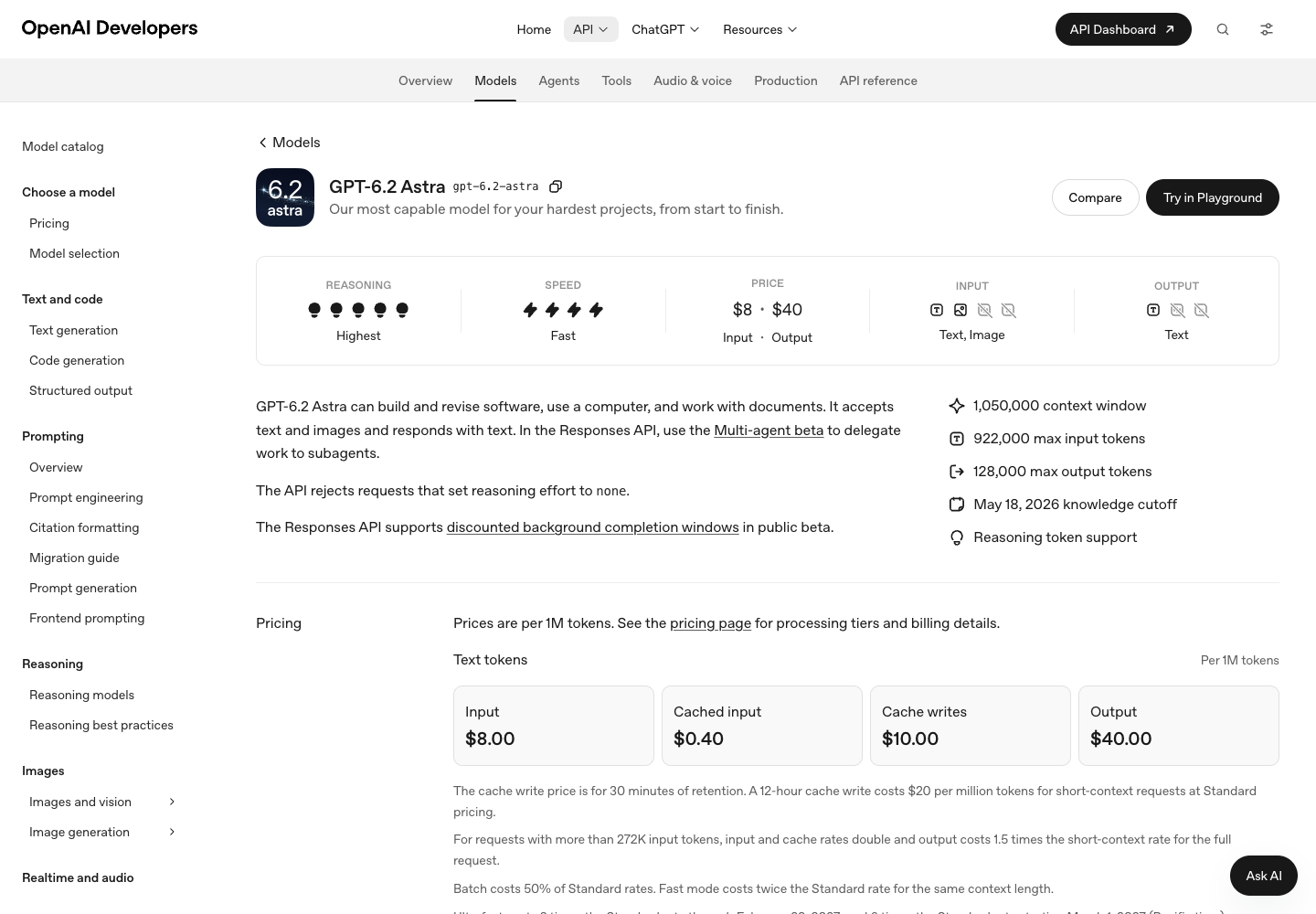
OpenAI positions GPT-6.2 Astra for demanding work across software engineering and document production. It accepts text and image inputs across a 1,050,000-token context window (up to 922,000 input and 128,000 output tokens) and returns text or structured outputs with per-token pricing. In the Responses API, it pairs with web search, file search, computer use, and an optional multi-agent beta. Teams can use it for multistep implementation, edits and tests in complex existing codebases, professional documents, and interactive web design from screenshots.

  • 1,050,000-token context window
  • Responses API tools and multi-agent beta
  • Structured text and visual input
GPT-6.2 Astra official website preview

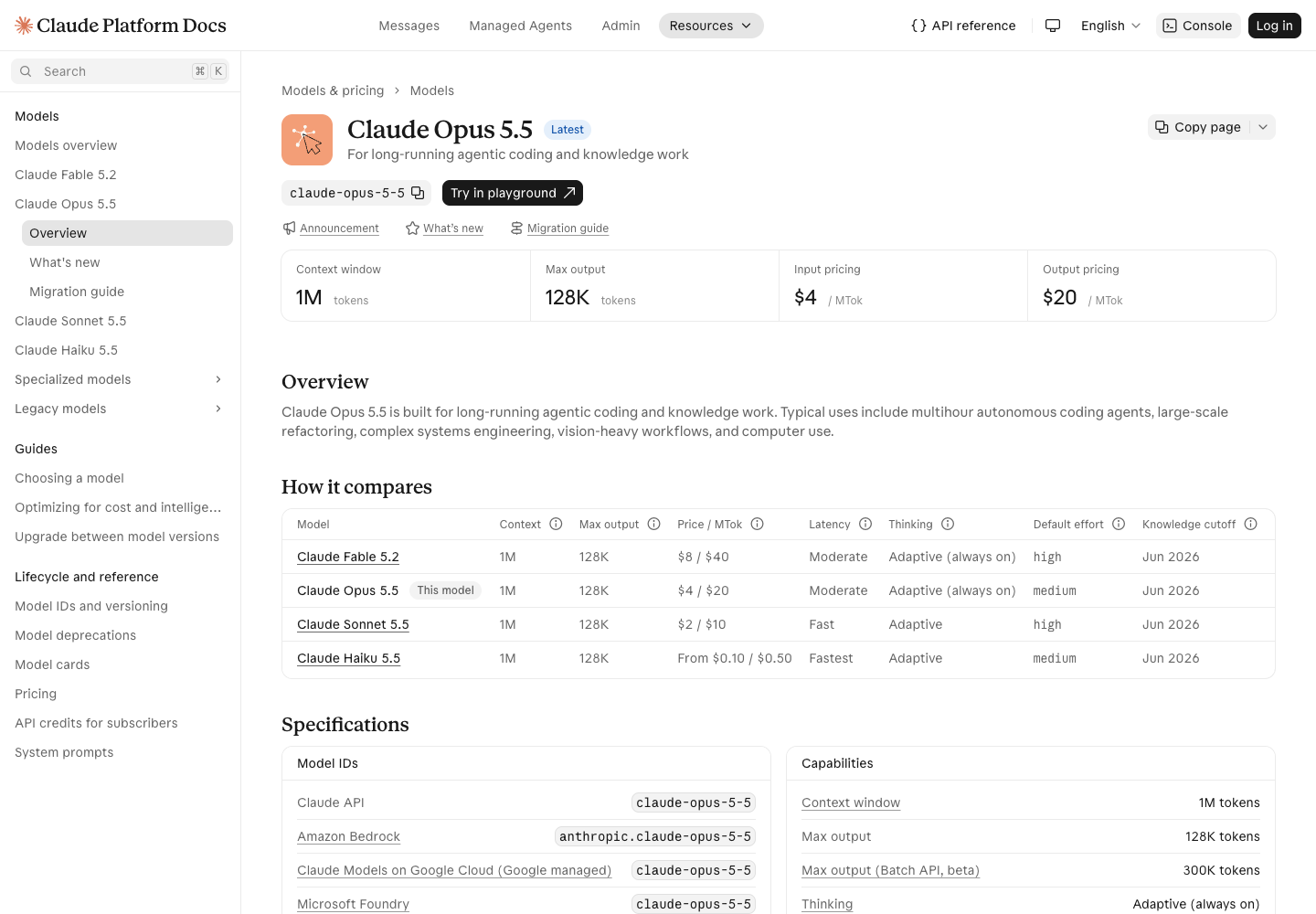
Claude Opus 5.5 powers multi-hour coding sessions, broad codebase refactors, in-depth knowledge work, and vision tasks. It accepts text and image inputs within a 1M token context window, integrates with external tools, and generates up to 128K tokens of text output for demanding engineering workflows.

  • Text and Image Input Support
  • Long-Context Tool Use
Claude Opus 5.5 official website preview

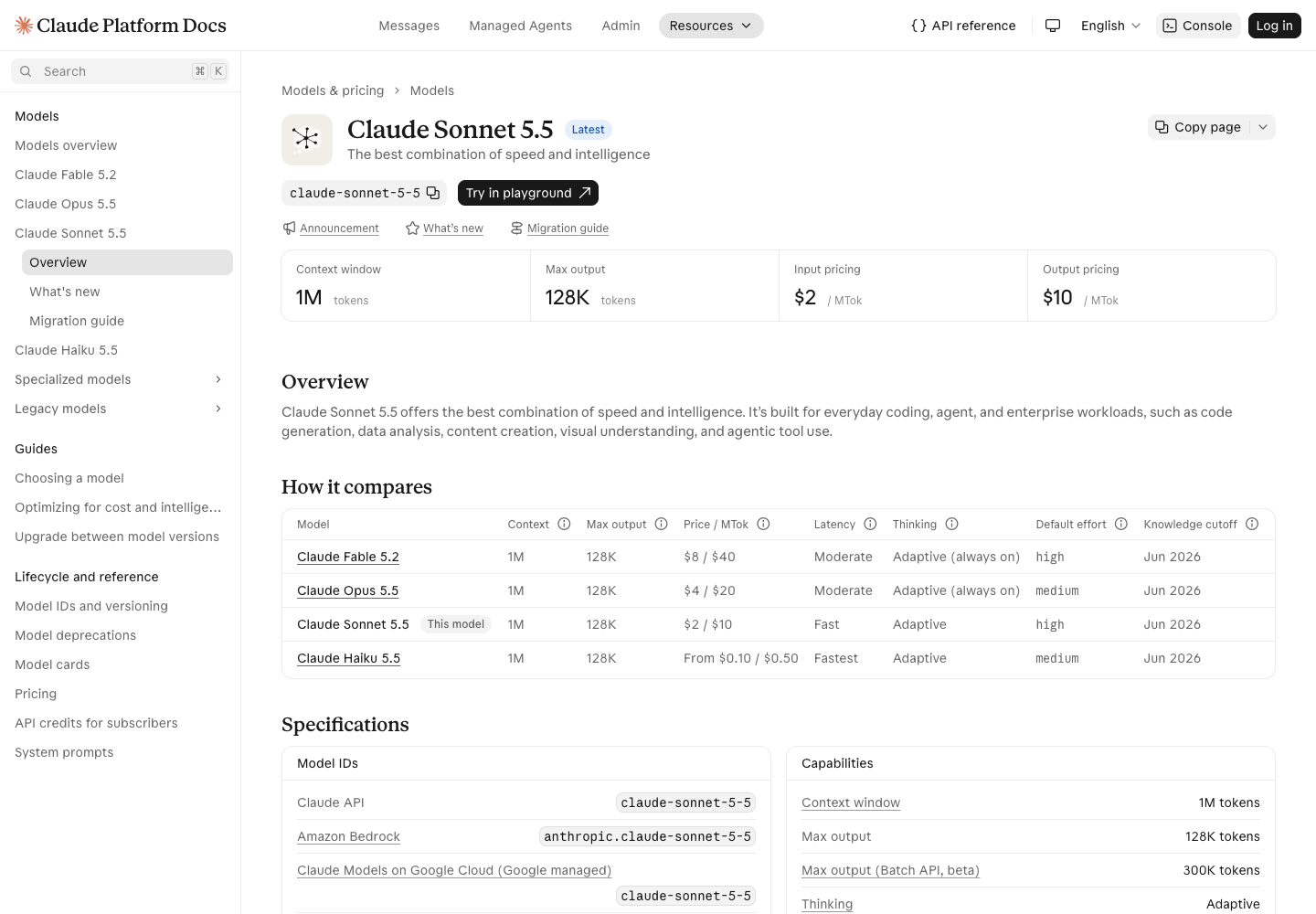
Claude Sonnet 5.5 is designed for everyday coding, data analysis, visual understanding, and agentic tool workflows. It processes text and image inputs across a 1M token context window, supports tool use, and generates up to 128K tokens of text output.

  • Multimodal Inputs and 1M Context
  • Tool Use and 128K Output
Claude Sonnet 5.5 official website preview

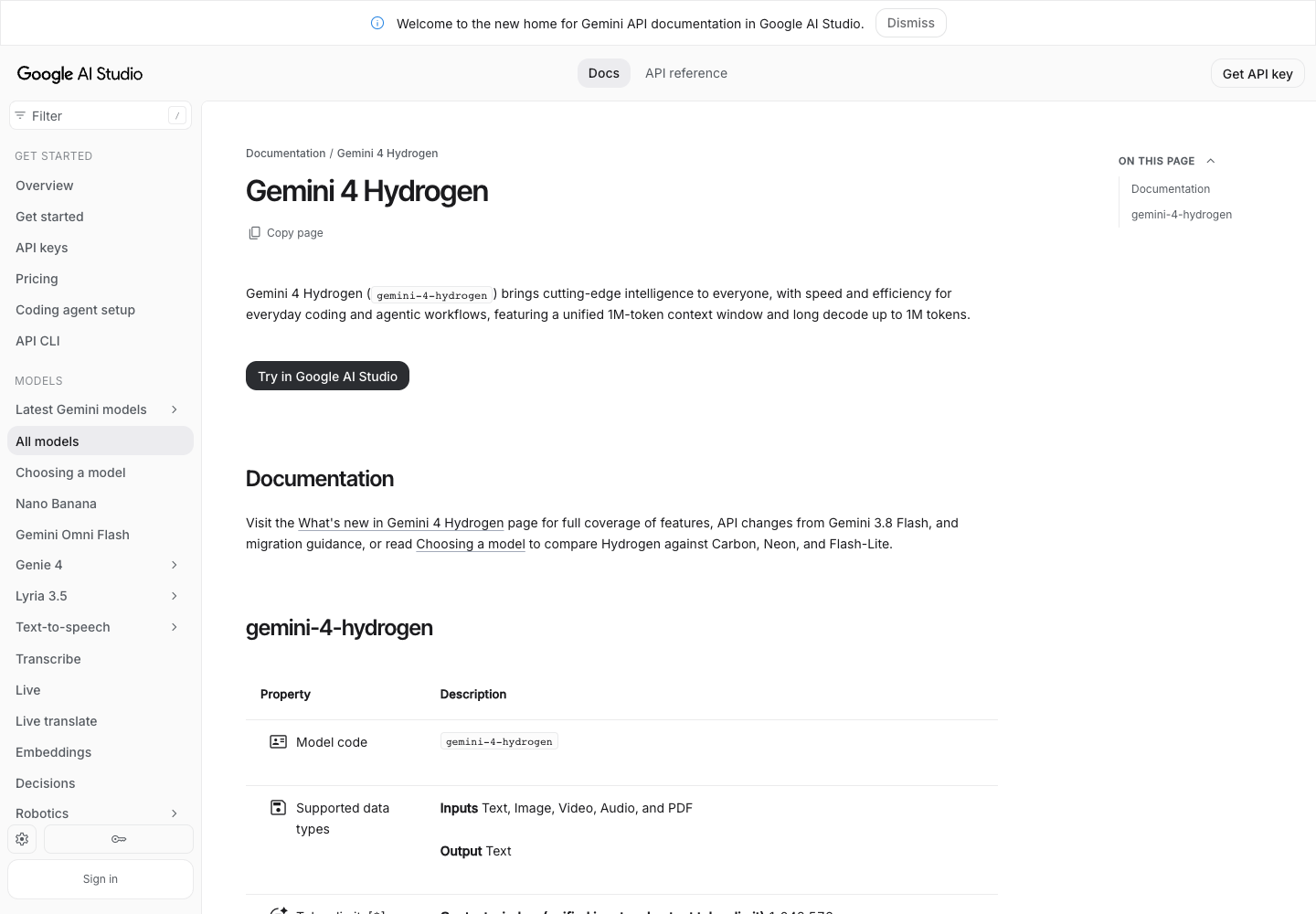
Hydrogen is a Google model for everyday coding and agentic workflows. It accepts text, images, audio, video, and PDF inputs in a shared 1,048,576-token context window, supports function calling for tool integration, and delivers text responses up to a 65,536-token default synchronous output limit.

  • Agentic Function Calling
  • Broad Input Modalities
Gemini 4 Hydrogen official website preview

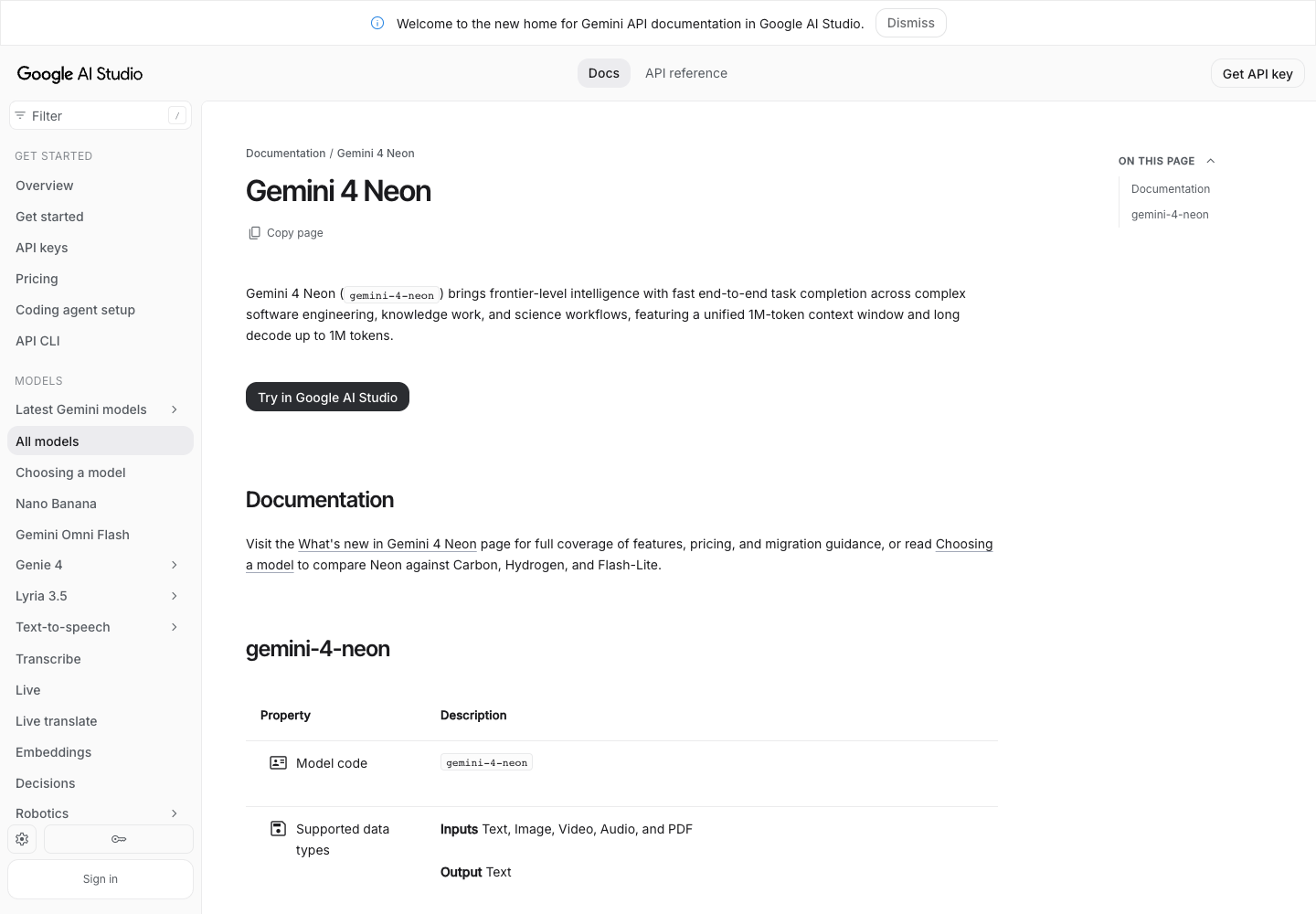
Neon is a Google model designed for fast, end-to-end complex software engineering and knowledge work. It processes text, images, audio, video, and PDF inputs across a shared 1,048,576-token context window, supports function calling, and produces text up to a 65,536-token default synchronous output cap.

  • Shared Multimodal Context
  • Tool Integration and Text Output
Gemini 4 Neon official website preview

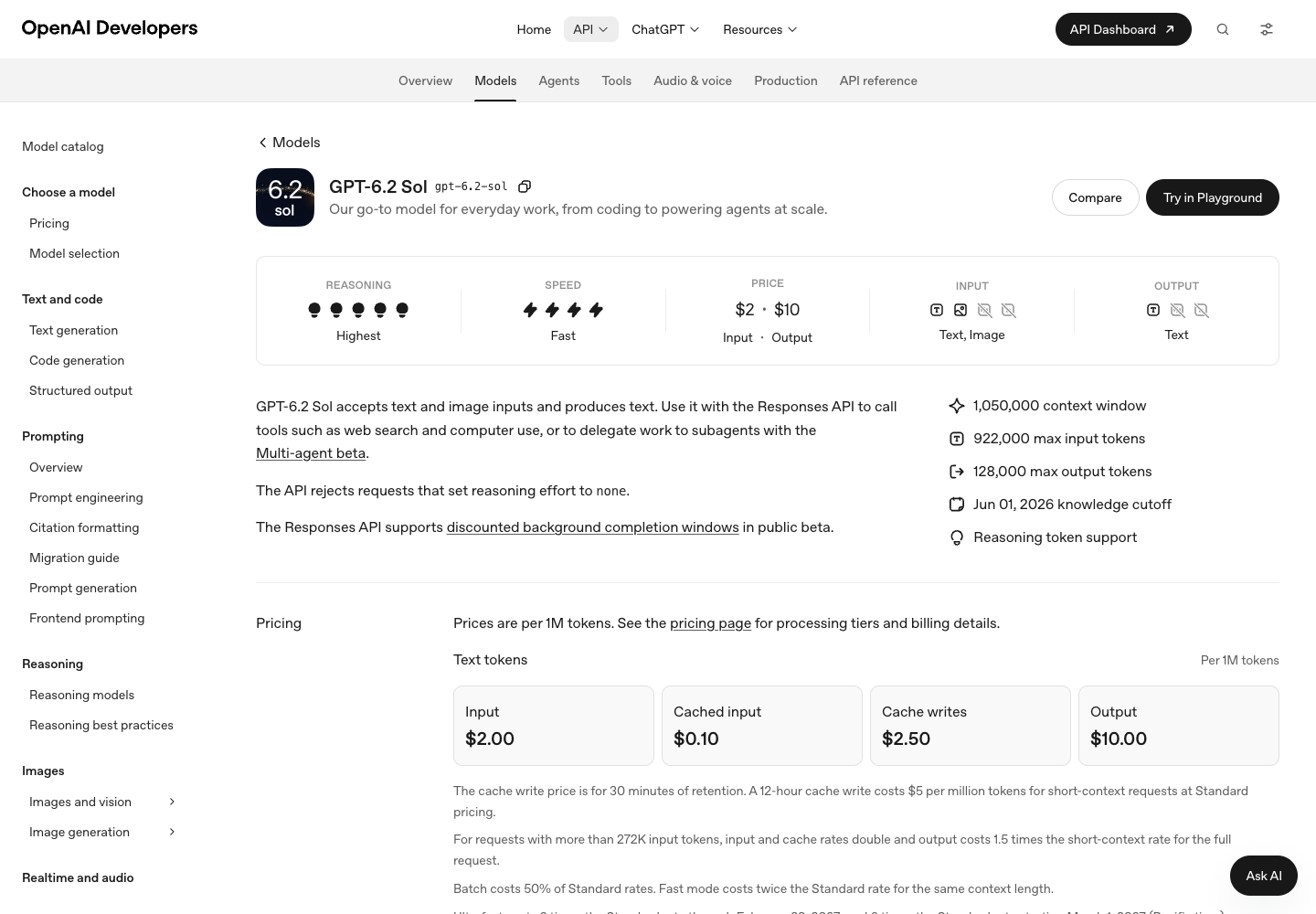
OpenAI designs GPT-6.2 Sol for everyday software engineering and agent workflows running at scale. Charged per token, it processes text and images across a 1,050,000-token context window (up to 922,000 input and 128,000 output tokens) and emits text or structured outputs. Through the Responses API, it works with computer use, web search, file search, and an optional multi-agent beta. Developers can apply it to implementing and testing code changes as well as running tool-driven automation.

  • Large context with structured output
  • Computer and web tool integration
  • Optional Responses multi-agent beta
GPT-6.2 Sol official website preview

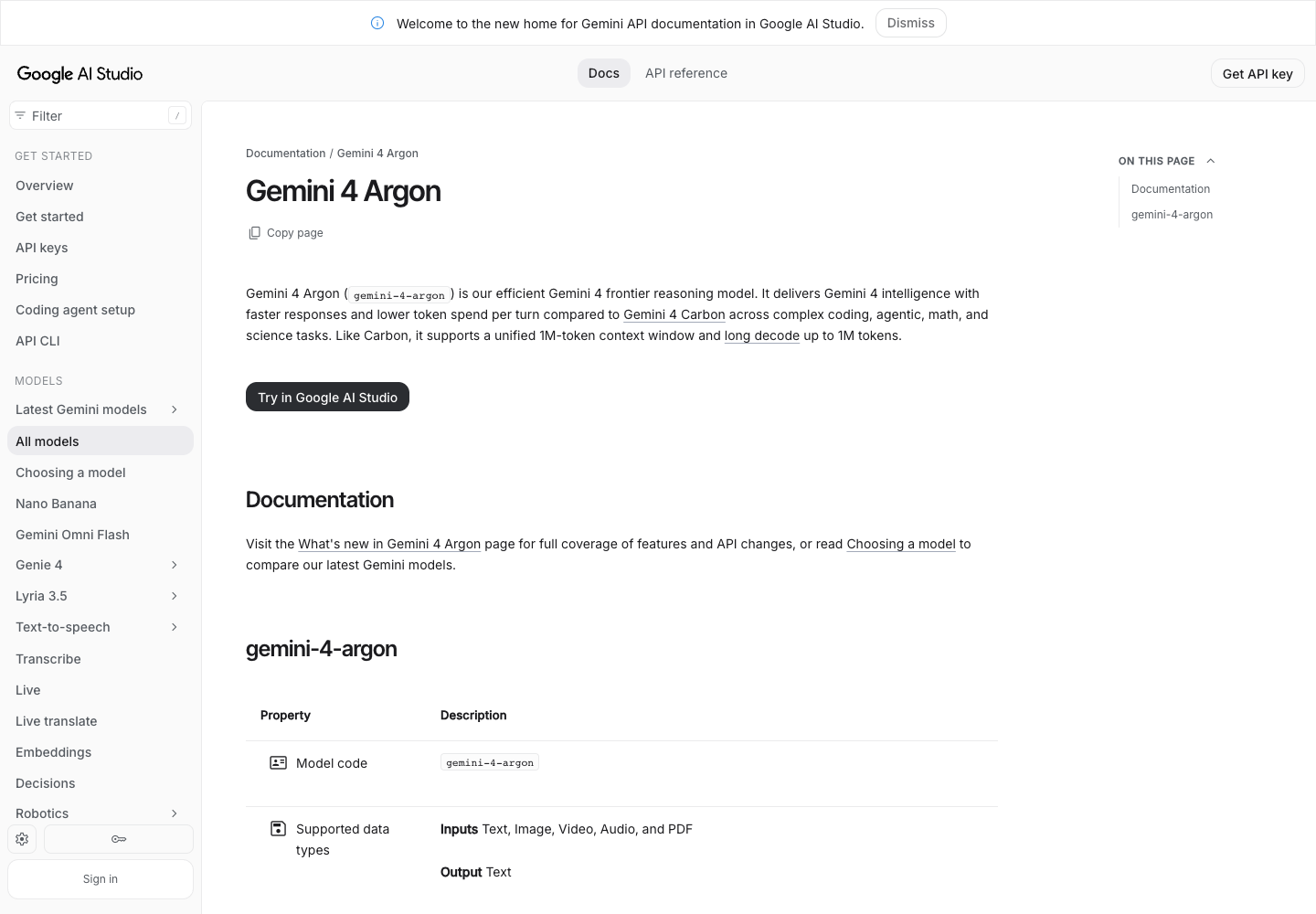
Argon is a Google model focused on efficient reasoning across coding, math, and science. It handles text, images, audio, video, and PDF inputs within a shared 1,048,576-token context window, supports function calling, and outputs text up to a 65,536-token default synchronous maximum.

  • Long-Context Multimodal Input
  • Function Calling and Text Output
Gemini 4 Argon official website preview

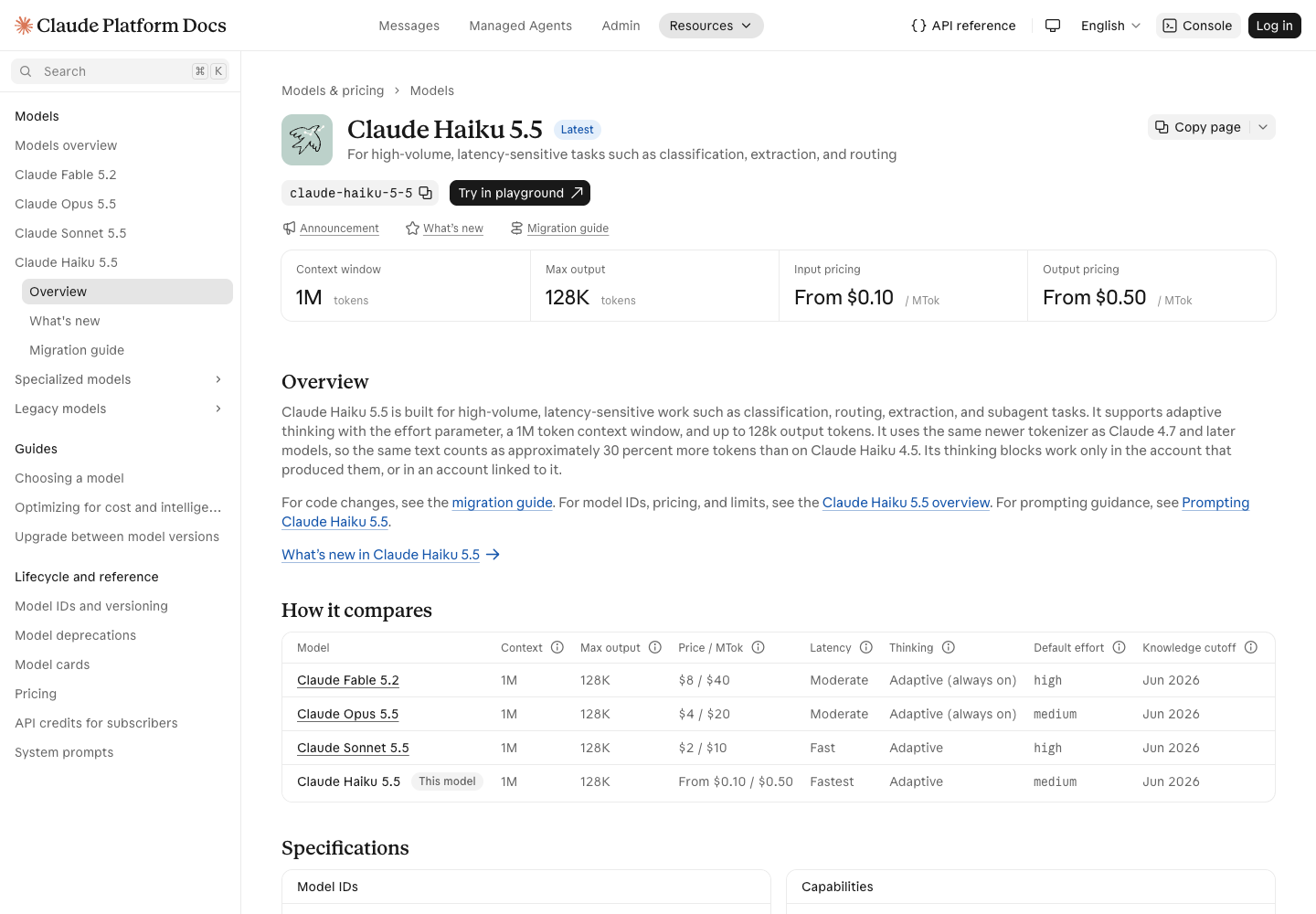
Claude Haiku 5.5 is built for high-volume, latency-sensitive classification, data extraction, request routing, and subagent execution. It accepts text and image inputs within a 1M token context window, supports tool use, and generates up to 128K tokens of text output for fast, scalable pipelines.

  • 1M Context and Tool Use
  • Low-Latency Structured Tasks

176,149 active referring domains

Claude Haiku 5.5 official website preview
← Back to Claude Fable 5.2